News
The Enduring Allure of Musical Exploration: Embracing the Uncharted Paths of Guitar
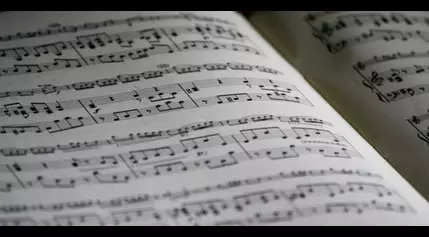
In a bygone era, the popularity of sheet music was unparalleled, with millions of copies sold annually. Today, the landscape of music consumption has undergone a dramatic transformation, leaving the once-ubiquitous practice of reading and playing music from written scores a relic of the past. This article delves into the evolving relationship between musicians and the written language of music, exploring the unique perspectives and creative advantages that have emerged in the modern musical landscape.Unlocking the Secrets of Musical Exploration: The Guitar's Enduring Allure
The Decline of Sheet Music and the Rise of Musical Illiteracy
In the early 20th century, a popular song could sell millions of copies of sheet music annually, a testament to the widespread musical literacy of the time. However, with the world population now roughly four or five times larger than it was then, the sales of sheet music would be staggering in an alternate-reality 2024. The author's father, at 88 years old, recalls a time when friends and family would gather around a piano, playing and singing their way through a stack of songbooks – a practice that still continues in his household.The advent of recorded music initially served as a means to promote sheet music, with labels releasing recordings only after sales of the corresponding sheet music had slowed down. This shift in the industry meant that a significant portion of society not only knew how to read music well but also engaged in the practice regularly, making it a central part of home entertainment. By today's standards, the author laments, written music has become a "dead language," with music being the most common language on Earth yet also having the highest illiteracy rate.The Musician's Struggle with Musical Literacy
As a lifelong professional musician, the author confesses a surprising and, at times, relieving infrequency in reading staff notation. While chord charts and Nashville number systems are commonly used, the author feels a deep sense of shame when faced with the task of reading staff notation, likening the experience to an "out-of-shape guy with no training" attempting to run a marathon – slowly, painfully, and perhaps not even reaching the finish line.The author's own experience with reading music stems from their time in a junior high school orchestra, where they were a "crappy violinist." Despite this, the author acknowledges that their poor music-reading skills are not a significant hindrance, as they can often rely on the keyboard player in the band to play the tricky parts slowly, allowing them to follow along and make sense of the "dots and squiggles on the staff."The Guitar's Invitation to Exploration and Creativity
The author suggests that most guitar players feel conflicted about reading music, as they recognize the value of the information that may be lost if they cannot read it, even with the abundance of tabs and guitar-nerd videos available. However, the author proposes that this lack of formal training may be the source of the guitar's superpower, as it invites exploration and discovery.The author argues that the reason guitar has been the driving force behind most popular music for the past 65 years is because the instrument encourages experimentation. The more one engages with the guitar, the more they discover, creating an addictive quality that leads most guitar players to prefer making up their own music rather than reading what someone else has written.This approach to the guitar, the author suggests, has been a significant contributor to the advancement of art, as the sheer number of people experimenting and creating has pushed the boundaries of musical expression. In contrast, classical musicians are often more focused on interpretation, virtuosity, and reverence for tradition, with the majority of classical music played today being composed between 1600 and 1875. The author notes that new, experimental classical music is a "hard sell," as people tend to gravitate towards the classics.The Dichotomy of Classical and Guitar-Based Music
The author highlights the intriguing dichotomy between classical musicians and guitarists. While classical players are skilled at tuning by ear, they rarely play by ear, often becoming "a little panicky" when asked to improvise. Guitarists, on the other hand, are generally more fearless in their exploration, with the instrument itself reflecting this spirit of innovation.The author points out that the design of violins has remained relatively unchanged since the 16th century, while guitar designs have evolved as varied and diverse as car designs. This diversity, the author argues, is a testament to the guitar's inherent invitation to experimentation and the creation of new musical expressions.The author's own struggles with musical literacy are, in a sense, a reflection of this creative ethos. Rather than viewing their shortcomings as a limitation, the author suggests that there may be an "upside to being musically illiterate," as it allows for a more open-ended and exploratory approach to music-making, echoing the sentiment of the legendary Eddie Van Halen: "You only have 12 notes, do what you want with them."