News
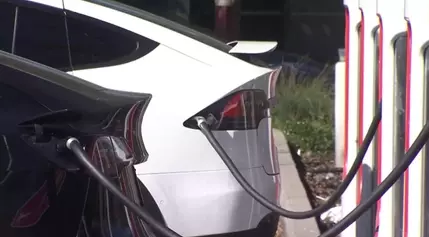
Securing the Connected Car: Navigating the Cybersecurity Landscape
In an era where our vehicles are becoming increasingly interconnected, the White House is raising concerns about the potential for these "connected cars" to be used as conduits for espionage. As the Biden administration proposes a ban on the import and sale of cars with Chinese or Russian-made components, the debate around car cybersecurity is heating up. Experts warn that these vehicles, much like our smartphones, can be vulnerable to hacking, potentially exposing sensitive data and the movements of individuals, including politicians and supply chain operations.Safeguarding the Future of Mobility
The Rise of the Connected Car
The modern automobile has evolved into a mobile computing platform, with a vast array of internet-connected features and capabilities. From GPS navigation and infotainment systems to remote diagnostics and over-the-air software updates, these "connected cars" are transforming the driving experience. However, this increased connectivity also brings with it a new set of cybersecurity risks.Cybersecurity experts warn that adversaries, particularly those from countries deemed hostile to the United States, could potentially exploit vulnerabilities in these connected car systems to gather real-time data on the movements of individuals, politicians, and even sensitive supply chain operations. This data could then be used for nefarious purposes, such as surveillance, espionage, or even disrupting critical infrastructure.The White House's Proposed Solution
In response to these growing concerns, the Biden administration is now proposing a ban on the import and sale of cars that can connect to the internet if they include Chinese or Russian-made components. The rationale behind this move is to limit the potential for foreign adversaries to gain access to sensitive information through these connected car systems."If you have foreign components in your car, particularly hardware or software, if they're manufactured in a country that is adversarial to the United States, now you have potentially a foreign power that is able to eavesdrop on hundreds or thousands of cars," explains Mike McNerney, chairman of the Institute for Security and Technology.This proposed ban is part of a broader effort by the Biden administration to address the growing threat of foreign interference and espionage in critical infrastructure and technology sectors.Protecting Yourself in the Connected Car Era
As the debate around connected car cybersecurity continues, individuals can take steps to protect themselves and their data. One of the key recommendations from experts is to keep your phone and car separate, minimizing the potential attack surface and reducing the amount of data being shared between the two devices."The more you can keep that attack surface low, the less places you're streaming your data," says Sean Tufts of Optiv, a cybersecurity firm.For those who have already integrated their phones with their cars, it's important to be mindful of the potential risks and to regularly review and update the security settings on both devices.The Future of Mobility and Cybersecurity
The connected car revolution is undoubtedly transforming the way we experience and interact with our vehicles. However, as these technologies become more advanced and ubiquitous, the need for robust cybersecurity measures becomes increasingly critical.The White House's proposed ban on cars with Chinese or Russian-made components is a significant step in addressing the growing threat of foreign interference and espionage. However, it's just one piece of a larger puzzle that will require ongoing collaboration between policymakers, automakers, and cybersecurity experts to ensure the safety and security of our connected vehicles.As we navigate this new era of mobility, it's essential that we prioritize the protection of our personal data and the integrity of our critical infrastructure. By staying vigilant and proactively addressing the cybersecurity challenges posed by connected cars, we can unlock the full potential of this transformative technology while safeguarding our privacy and national security.