News
The Evolving Landscape of Antique Car Ownership: From Nostalgia to Passion
The world of classic car enthusiasts is undergoing a remarkable transformation, as the vehicles that once defined the driving experiences of Gen Xers and Millennials are now considered antiques. This shift is reshaping the classic car market, with factors like global economic conditions, collectability, and scarcity playing a significant role in the changing landscape.Unlocking the Secrets of the Evolving Antique Car Market
Stagnant Prices and Rising Valuations
The classic car market is a complex and ever-changing landscape, with some models experiencing stagnant prices while others are seeing a surge in value. Larry Printz, an automotive journalist and concours event judge, notes that while a 1955 Ford Thunderbird has remained relatively stable in price, newer models like the C6 and C7 Corvettes are witnessing a rise in value as younger buyers recognize their performance capabilities and the opportunity to acquire supercar-level performance at reasonable used car prices.This shift in market dynamics is driven by the changing preferences and priorities of younger generations of car enthusiasts. As Printz explains, "What's a used car to one generation is a collectible car to the next." The nostalgia and emotional connection that older generations have with certain models may not resonate as strongly with younger buyers, who are more focused on performance, technology, and unique experiences.The Aging Collector and the Consolidation of Classic Car Collections
Another significant factor shaping the antique car market is the aging of large-scale classic car collectors. Brian Rabold, the Vice President of Automotive Intelligence at Hagerty, notes that as these collectors reach the later stages of their lives, they are increasingly looking to consolidate their collections."The folks who have amassed those collections tend to be older, and it's more of a fact that they're either aging out of the hobby or they're not they're not able to drive these cars as much anymore, and so they're looking to consolidate," Rabold explains. This proactive estate management approach allows these collectors to be in control of the transaction process, rather than leaving it to their heirs to handle after their passing.The Rise of Younger Enthusiasts and the Changing Face of Car Culture
The classic car market is also being influenced by the emergence of a new generation of enthusiasts, who are approaching classic car ownership in a different way. According to Art Cervantes, the Director of Radwood, a car show brand owned by Hagerty insurance company, "Next-generation car enthusiasts have the same passion as older generations, but they express their love in a different way."These younger enthusiasts tend to focus on owning fewer but higher-quality cars, rather than amassing large collections. They are also more engaged with their vehicles, using online communities, forums, and social media to share their passion and connect with like-minded individuals.Radwood, the car show brand aimed at younger antique vehicles, has played a significant role in this shift. Cervantes explains that Radwood has "opened doors for owners of 80s and 90s enthusiast cars to get more out of ownership, but it's also given enthusiasts an excuse to buy into that era which has helped values." The growth of these online communities has further fueled the trend, as enthusiasts celebrate unique and interesting cars year-round.The Changing Face of Car Culture: Embracing Diversity and Community
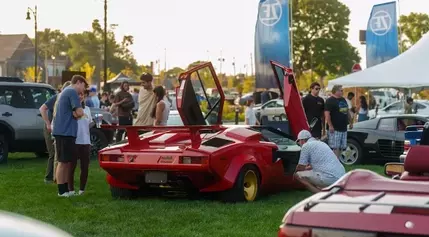
The evolution of the classic car market is not just about changing preferences and priorities; it's also about the changing face of car culture itself. Jiyan Cadiz, the producer of Cars at The Station for Hagerty, notes that the recent iteration of the event in Detroit's new tech and cultural hub brought together a "younger and more diverse group of enthusiasts" who are actively engaged in their love for 80s, 90s, and even 2000s-era vehicles.These younger enthusiasts are not content with simply sitting in lawn chairs and waiting for trophy ceremonies. Instead, they are actively engaging with the community, creating and sharing high-quality social content to fuel their passion and understanding of car culture. Cadiz emphasizes that these enthusiasts are "helping to fuel community, passion and understanding through their efforts to create and post high-quality social content for their friends and followers."The changing face of car culture is not just about the vehicles themselves, but also about the people who are driving it forward. As the Antique Automobile Club of America's designation of an antique car as being 25 years old or older makes cars from 1999 and before eligible for antique status, the classic car market is poised to continue evolving, with younger generations shaping the future of this dynamic and ever-changing landscape.