Understanding the Collector Car Market’s Cyclical Nature
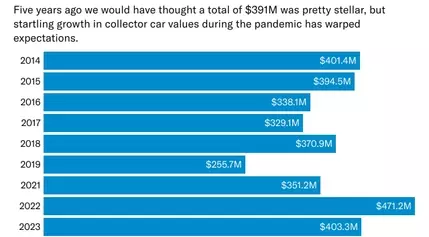
The 2024 Monterey Car Week auctions provided a stark reminder that the collector car market is not immune to economic forces. With total sales reaching 2 million—a drop from the previous year—this shift underscores broader market dynamics. High interest rates and an uncertain economic climate have made potential buyers more cautious, leading to prolonged bidding processes and lower-than-expected sale prices. However, this downturn also presents opportunities for those looking to enter the market or expand their collections.
Auction Performance: A Mixed Bag of Results
While the overall trend pointed downward, certain segments of the market defied expectations. Modern classics, such as a 1997 Porsche 911 GT1 Rennversion, commanded impressive sums, selling for over million. Similarly, a rare Mecum Hemi Daytona achieved a remarkable .36 million, reflecting its unique status and desirability. These successes highlight the diversity within the collector car market and the importance of understanding specific niches.
The performance of pre-1974 Ferraris was particularly telling. Only 53 percent of these iconic vehicles found buyers, a significant decline from past years. This outcome signals a shift in buyer preferences and highlights the need for sellers to adapt by adjusting their expectations and pricing strategies.
Economic Factors Driving Market Behavior
The economic landscape played a crucial role in shaping auction outcomes. Election-year uncertainties, coupled with high interest rates, created a cautious environment for collectors and investors. Higher borrowing costs and reduced liquidity events, such as IPOs and mergers, limited the availability of large sums of cash typically seen at these auctions. Consequently, classic cars and collectibles became less attractive compared to low-risk investments, further influencing buyer behavior.
Despite these challenges, the collector car market remains resilient. Hagerty’s Market Rating, which tracks both auction and private sales, indicates a gradual adjustment following the peak of 2022. This correction offers a window of opportunity for buyers who may now find previously unattainable vehicles within reach.
Lessons for Enthusiasts and Investors
The 2024 Monterey auctions serve as a valuable case study for anyone involved in the collector car market. For buyers, it reinforces the importance of patience and realistic expectations. Sellers must recognize the cyclical nature of the market and prepare for periods of growth and correction. The key takeaway is that while values may fluctuate, the passion for vintage cars endures.
Moreover, the auctions underscore the non-monolithic nature of the market. Certain segments will continue to thrive even as others experience downturns. Staying informed about market conditions for the cars you love is essential, ensuring that personal tastes align with current trends without succumbing to speculative pressures.
Beyond Profit: Embracing the Joy of Collecting
Perhaps the most important lesson from Monterey 2024 is the distinction between collecting for enjoyment versus profit. The recent market reset should discourage speculators focused solely on financial gain. For genuine enthusiasts, this period offers an opportunity to acquire beloved vehicles at more favorable prices. The growing attendance and enthusiasm at Monterey Car Week indicate a vibrant community dedicated to preserving and celebrating car culture.
Vintage cars may see temporary dips in value, but the joy and excitement they bring remain constant. As the market adjusts, the true essence of collecting—driving, sharing, and appreciating these automotive treasures—continues to thrive.